

In the beating heart of a metropolis like New York, ideas don’t just appear; they slam into one another with the force of a crowded subway car. Skyscrapers stretch toward possibility, and sidewalks hum with the footsteps of people from every corner of the globe. Yet the central question endures: does living in a major city truly nurture creativity and ambition? Or does glamour mask a more complicated reality? The truth sits somewhere between inspiration and exhaustion, made by both crazy opportunities and grinding pressures that come with them.
The Magnetic Pull of City Energy
Big cities are a kind of accelerator for the human spirit. They compress the population, forcing interactions that smaller towns never spark. A single afternoon coffee run for those picky partners can lead to a conversation with an artist, a tech founder, or a community organizer, all in the span of two blocks. The constant collision of worlds sharpens minds. It gives people the ability to adapt, to spot patterns that others miss, and to chase solutions with urgency.
Ambition feels less like a personal trait and more like air itself. Short bursts of serendipity replace long periods of isolation. Long, winding discussions in shared workshops stretch late into the night, and can be the start of partnerships that redefine entire fields.
How Urban Life Ignites Creativity
Big city environments really do, in fact, give you a head start in many ways.
- Diverse perspectives arrive daily through immigration, migration, and global talent pipelines, turning everyday streets into living laboratories where cultural fusion births fresh ideas.
- Networking opportunities multiply at industry mixers, pop-up events, and even chance encounters on public transit, compressing years of relationship building into months.
- Exposure to fast-paced industries, such as finance, media, technology, and design, demands constant iteration, rewarding those who prototype boldly and fail publicly.
These elements do not guarantee success, but they create fertile soil. Creativity stops feeling optional. It becomes a survival skill.
Networking That Fuels Ambition
Ambition thrives when surrounded by others who refuse to settle. In major cities, elevators carry executives alongside interns, and every rooftop gathering holds the potential for a life-altering introduction. The pace itself becomes contagious.
Young professionals watch mentors close deals over lunch and then replicate that decisiveness in their own ventures. Innovation stops being theoretical. It becomes tangible when you witness competitors launching products in real time. The city whispers a relentless challenge: keep up or get left behind. Many rise to it, channeling that pressure into breakthroughs that quieter environments might never provoke.
The Cost of Constant Stimulation
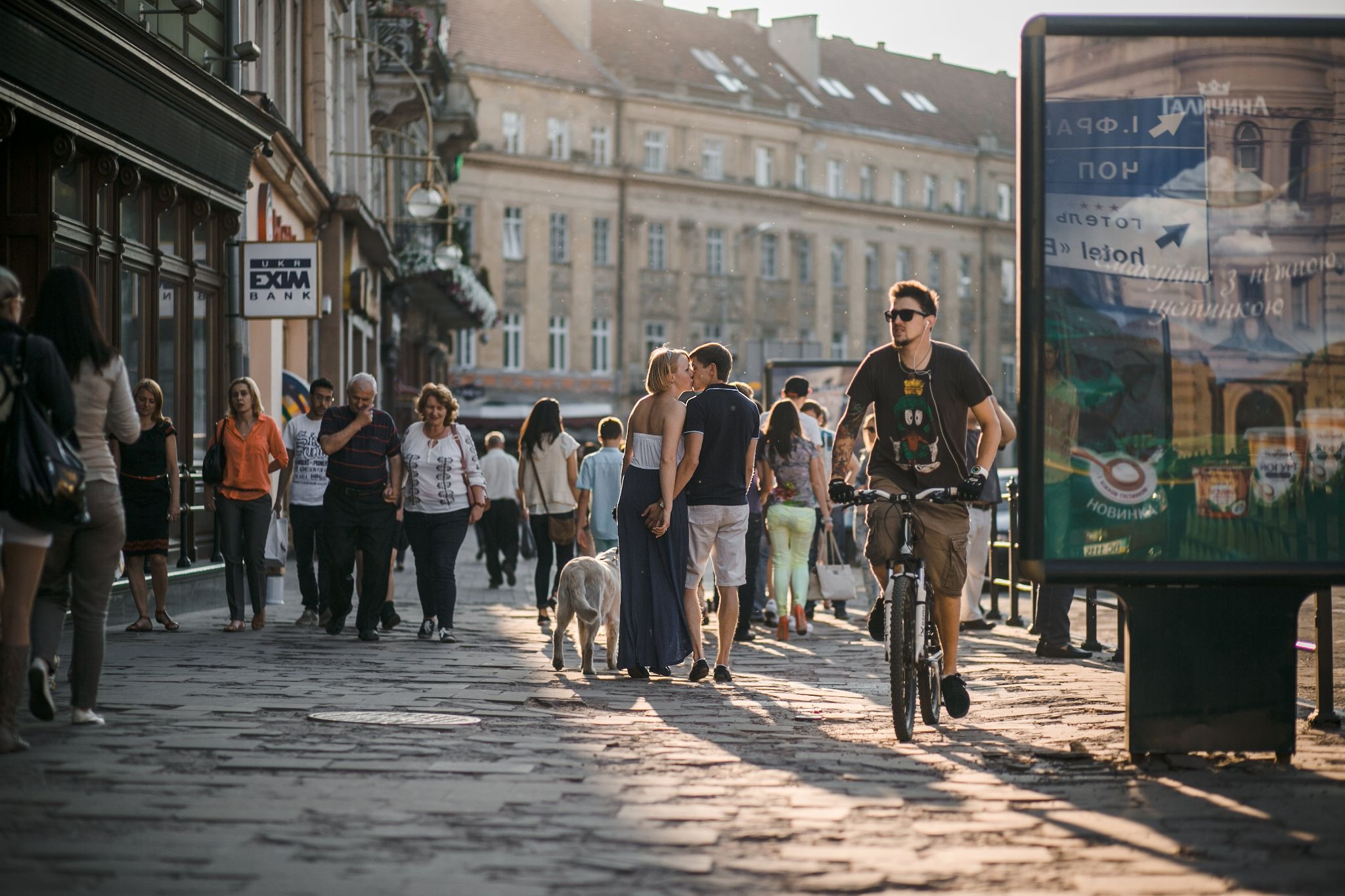
Yet the same forces that elevate can also erode. High rent devours paychecks before they even land in bank accounts. Long commutes sap energy that could have gone toward creative projects. And the ever-present hum of activity, sirens, notifications, and expectations wears down even the most resilient.
Burnout arrives not with a bang but through a thousand small cuts: skipped meals, neglected friendships, and the nagging sense that everyone else is somehow doing more. Isolation can creep in paradoxically amid millions of people. The cost of living forces impossible trade-offs between opportunity and stability. For students balancing coursework with part-time gigs, the pressure compounds. Innovation requires breathing room, and cities sometimes steal exactly that.
Challenges That Test Resilience
Urban living presents hurdles that demand deliberate navigation.
- Soaring cost of living pushes many into cramped apartments or hour-long commutes, leaving little margin for the reflective downtime creativity often needs.
- Burnout lurks in the relentless pace, where 24-hour expectations blur the line between drive and depletion.
- Overstimulation from noise, crowds, and information overload can drown out quieter internal voices essential for original thought.
These realities do not cancel out the benefits. They simply require strategy, boundaries, support systems, and occasional escapes to recharge.
Studying and Thriving in the Urban Landscape
Education in major cities adds another layer to this equation. Traditional campus life once meant full immersion, yet today’s learners seek smarter paths. Institutions have adapted, blending physical proximity with digital freedom. Keuka College online recognizes this shift, offering pathways that honor both academic rigor and real-world demands.
For those drawn to dynamic urban settings, enrolling in an online MSW program in New York can offer both academic flexibility and access to a vibrant professional landscape. Students gain the city’s pulse, internships at nonprofits tackling housing crises, guest lectures from policy leaders, and fieldwork that feels immediate rather than abstract, without sacrificing control over their schedules. They absorb ambition from the streets while building reflective space at home. The result? A hybrid experience that sharpens social work skills through a lived urban context instead of theoretical distance.
Creativity does not require a skyline to flourish, yet major cities undeniably tilt the odds. They compress timelines, multiply connections, and expose minds to problems so large they demand bold solutions. Innovation follows when diverse thinkers collide daily. Ambitious thinking grows when failure carries a lower relative risk amid endless next opportunities. Still, the equation only balances for those who guard their energy fiercely. Without intentional rest, the very advantages become liabilities.
Consider the student who arrives wide-eyed, portfolio in hand. She attends gallery openings one night and community board meetings the next. Ideas multiply. Networks expand. Yet she also learns to unplug, perhaps with a weekend train ride out of the city, to let insights settle. This rhythm separates those who burn brightly from those who burn out. Data from urban universities consistently shows higher patent filings and startup rates per capita, yet it also records elevated stress levels. The city rewards the prepared. It challenges everyone else.
Weighing the Evidence
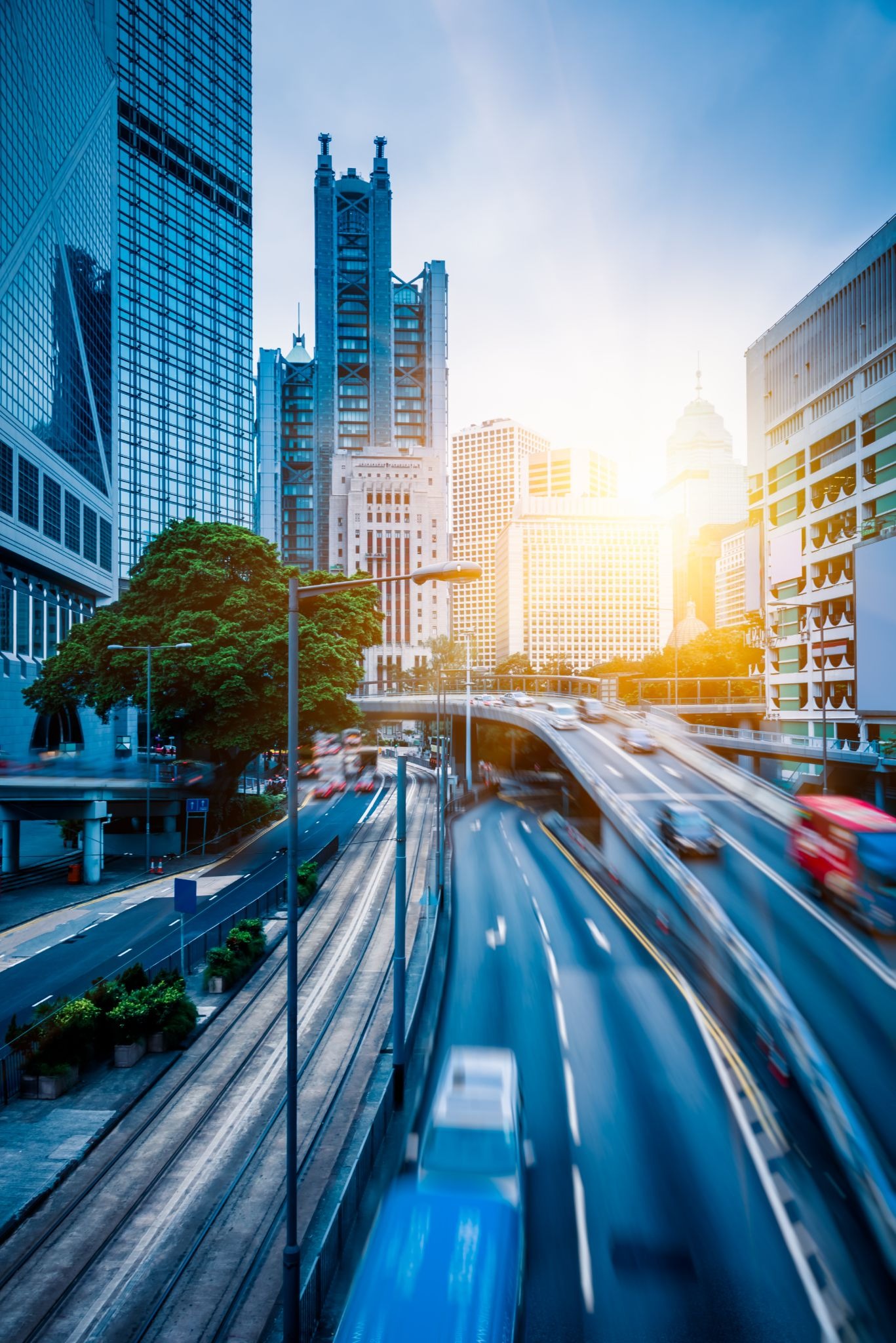
Does city life create creativity, innovation, and ambitious thinking? For many, the answer rings yes, loudly. The density of talent creates feedback loops where one person’s breakthrough inspires the next. Fast-paced industries teach iteration at a speed rural labs rarely match. Diverse perspectives prevent echo chambers and force deeper questioning. Networking turns strangers into collaborators within weeks. Yet these gains come with taxes: financial strain, emotional fatigue, and the risk of mistaking busyness for progress. The ambitious must weigh both sides honestly. Some thrive in the chaos. Others discover their best ideas only after stepping away from them.
Ultimately, major cities act less like magic factories and more like amplifiers. They magnify whatever you bring: your discipline, your curiosity, your ability to set limits. Living and studying there can accelerate trajectories in ways few other environments allow. It honed its ambition through sheer proximity to excellence. It fuels innovation by making reinvention feel necessary. And it nurtures creativity by surrounding you with proof that bold thinking works. The key lies in choosing the city deliberately, not romantically.
Pair its energy with personal systems that protect focus. Blend its opportunities with moments of deliberate solitude. When done right, the urban experiment delivers more than hype. It delivers transformation, messy, costly, exhilarating, and often worth every sacrifice. Those who master the balance walk away not just inspired but equipped to reshape the world beyond city limits.

Our own struggles in life have led us to this path of understanding the human condition. United by a shared curiosity for the mind and what it means to be human, we’ve each walked a journey shaped by personal challenges and a deep interest in helping others grow. Over the last eight years, our work has centred on exploring how meditative practices meet modern approaches to psychological wellbeing.