
Finding the right rehab program is crucial for those seeking help with substance abuse and addiction recovery. With options ranging from residential to outpatient care, it’s important to select a treatment path that can address both individual needs and daily responsibilities. Understanding what sets different addiction treatment programs apart helps people make informed decisions about their recovery journey.
Many individuals want to achieve recovery while continuing to meet work, school, or family obligations. Selecting an intensive outpatient program in New Mexico can offer the clinical support of structured therapy without the need to leave home for extended periods. A high-quality outpatient program bridges the gap between residential rehab and community support, allowing participants to gain evidence-based treatment while remaining active in their everyday lives. Matching the right level of care to a person’s needs is key to long-term recovery.
Understanding different types of addiction treatment programs
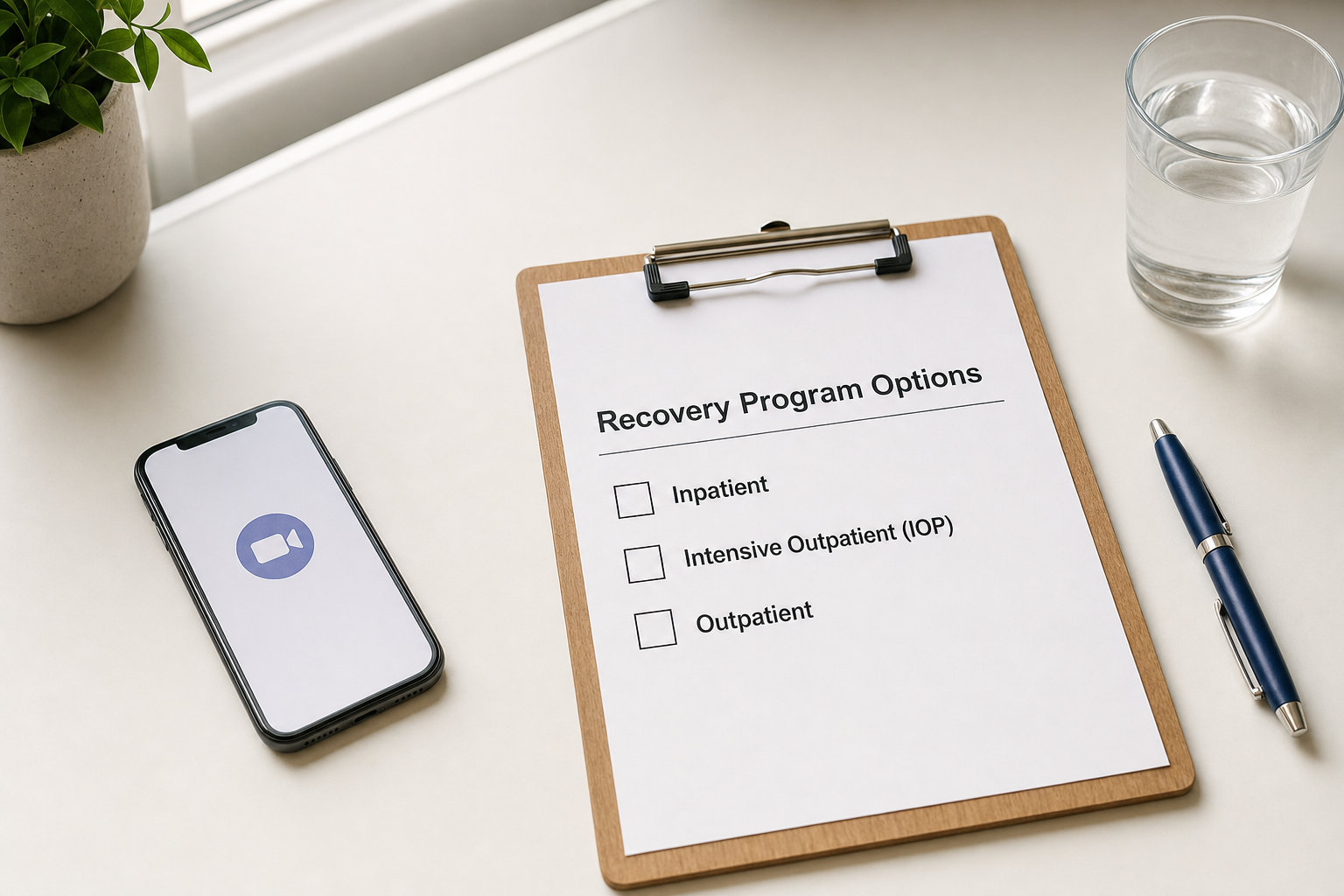
Addiction treatment comes in several formats, each designed to fit the unique circumstances of those seeking help. Residential or inpatient care is often best for individuals needing intensive supervision due to severe substance use or co-occurring medical issues. These programs typically require participants to remain on-site for the duration of the treatment, allowing for around-the-clock care.
Intensive outpatient programs, on the other hand, let clients live at home while attending scheduled sessions several times per week. These programs include group therapy, individual counseling, and educational workshops that teach essential coping and relapse prevention skills. The flexible structure of outpatient care supports those who have a stable living environment and reliable transportation.
Partial hospitalization programs (PHP) represent another level of care that falls between inpatient and intensive outpatient treatment. These programs typically require attendance for five to seven days per week, with sessions lasting several hours each day. PHPs are ideal for individuals who need more structure than standard outpatient care but do not require 24-hour supervision. Many treatment centers also offer standard outpatient programs with fewer weekly sessions, which work well for those in the later stages of recovery or as a step-down from more intensive care. Understanding these various levels helps individuals and their families choose a program that matches both the severity of addiction and the support available in their daily environment.
How to determine the right fit for treatment
Choosing the most effective program begins with a comprehensive assessment by clinical professionals. They review the substance use history, mental health status, and personal responsibilities of each person to decide whether inpatient or outpatient care is the safest and most supportive option. Intensive outpatient programs are generally better suited to individuals who do not require medical detoxification or 24-hour care.
The presence of a supportive home environment can greatly improve the chances of success during outpatient care. People who have struggled with repeated relapses or significant withdrawal symptoms may need to consider inpatient treatment before transitioning to an outpatient setting. Renew Health Addiction Recovery Services is a top-rated New Mexico drug and alcohol addiction treatment center and offers personalized evaluations to help individuals find the level of care most likely to benefit them.
Insurance coverage and financial considerations also play an important role in selecting the right treatment program. Most major insurance providers cover addiction treatment services, though the extent of coverage varies depending on the plan and the type of program. Before committing to a rehab facility, it is essential to verify what services are covered, what out-of-pocket costs may apply, and whether the program accepts your specific insurance plan. Many reputable treatment centers have dedicated staff who can help navigate insurance benefits and explore payment options for those without coverage. Financial barriers should never prevent someone from seeking help, as many facilities offer sliding scale fees, payment plans, or assistance programs to ensure access to quality care.
Essential features of successful rehab programs
Effective addiction rehab programs share several key elements, regardless of whether they are offered on a residential or outpatient basis. Group therapy sessions provide peer support, promote accountability, and help individuals develop practical skills through real-world scenarios. Individual counseling addresses deeper issues and supports the development of personalized strategies for managing cravings and triggers.
Quality programs frequently use evidence-based therapies such as cognitive behavioral therapy (CBT), motivational interviewing, and trauma-informed care. Some may also offer medication-assisted treatment along with behavioral support. Aftercare planning, follow-up appointments, and regular progress monitoring all increase the likelihood of lasting recovery beyond the initial treatment period.
The benefits of local and accessible treatment options
The ability to access care close to home can make a significant difference in participation and outcomes. Renew Health is a leading addiction rehab for drug and alcohol treatment in New Mexico, offering both in-person and online outpatient services. Local clinics in places such as Roswell, Alamogordo, and Clovis, combined with telehealth options, provide flexibility for residents throughout the state—from Albuquerque and Santa Fe to Las Cruces and Taos.
By providing accessible support and a wide range of substance abuse and mental health services, treatment centers enable more people to find help that fits their daily lives. Taking advantage of resources tailored to your needs can improve engagement and help lay a foundation for lasting recovery through ongoing group or individual therapy, medication management, and other essential services.

MindOwl Founder – My own struggles in life have led me to this path of understanding the human condition. I graduated with a bachelor’s degree in philosophy before completing a master’s degree in psychology at Regent’s University London. I then completed a postgraduate diploma in philosophical counselling before being trained in ACT (Acceptance and commitment therapy).
I’ve spent the last eight years studying the encounter of meditative practices with modern psychology.