
Shoppers spend a lot of energy debating where shilajit was sourced and almost none on the format they actually buy. That is backwards. The form you choose decides how much real shilajit reaches you, how cleanly you can dose it, and how many unrelated ingredients you swallow along the way.
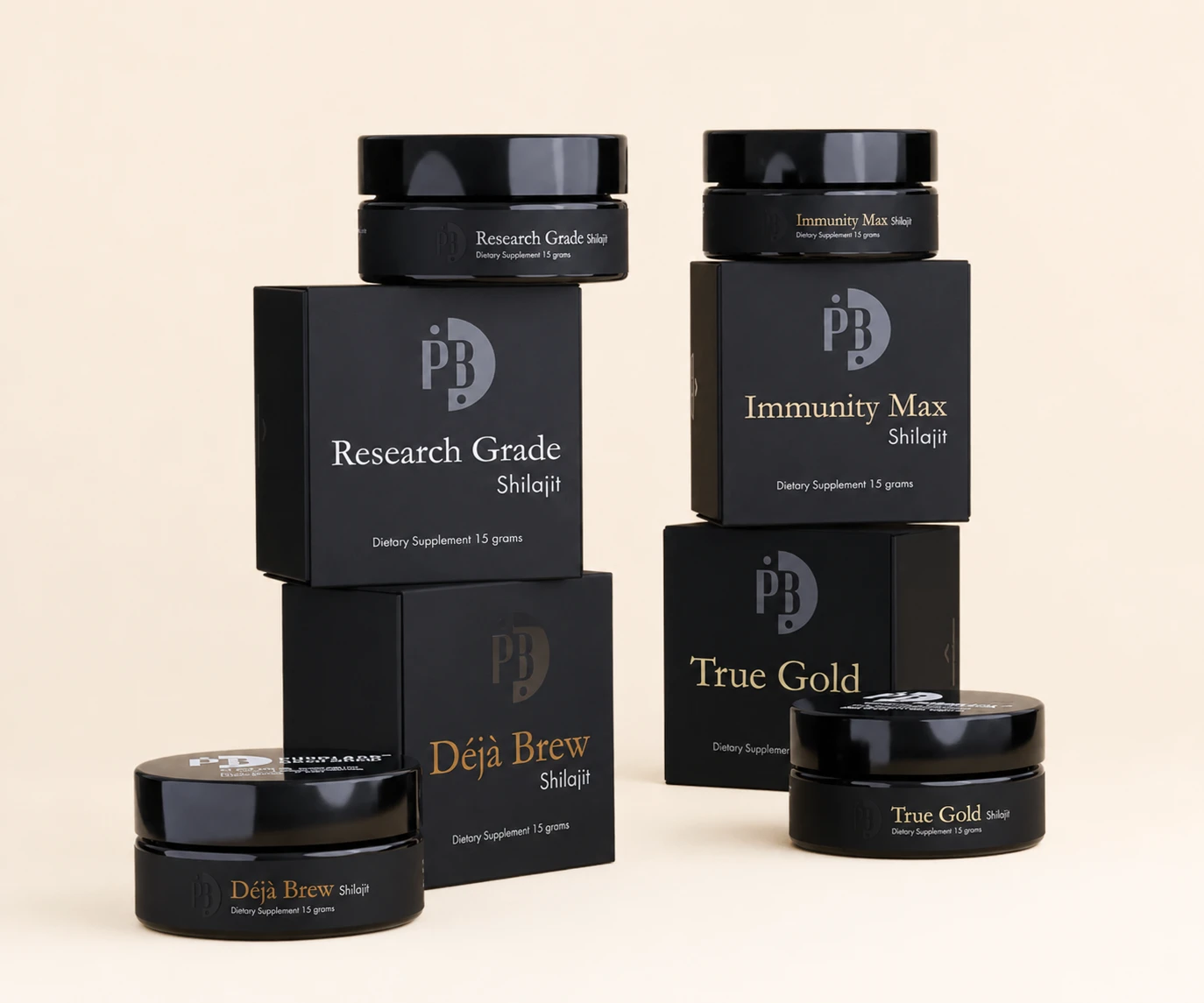
Three formats dominate the market, and they are not interchangeable. Before paying a premium for any of them, it is worth seeing how a purified Pürblack Shilajit Live Resin compares with the convenience options that have crowded onto the shelf.
Why the format changes what you get
Shilajit’s value sits in its concentration of organic acids and trace minerals. Anything that dilutes that concentration, or surrounds it with binders, sweeteners, and fillers, lowers the amount of active material per serving. So the real comparison is not which form tastes nicer, but which delivers the most genuine shilajit with the fewest passengers.
The three formats, ranked
Judged on potency, dosing control, and additive load, the order is fairly clear:
- Resin (top choice). This is the form closest to the raw purified material, with little or nothing added. It is the most concentrated option and lets you scale the dose up or down to the milligram, which matters because individual needs vary. The trade-off is a small ritual: you dissolve a pea-sized amount in warm liquid, and the taste is earthy and bitter. For most people that minor effort buys the highest quality per serving, and it is the format traditional use has always centred on.
- Capsules (middle ground). Capsules solve the taste and mess problem and travel well, which makes them genuinely useful for frequent flyers and busy schedules. The catch is twofold: each capsule holds a fixed, usually modest amount, so you lose fine control over dosing, and the format invites the use of dried extracts or flow agents. They suit people who value convenience over squeezing maximum potency from every dose.
- Gummies (bottom of the list). Gummies are the easiest to take and, almost always, the weakest. To create a chewable that tastes pleasant, manufacturers add sugars or sugar alcohols, gelling agents, flavours, and colours, which leaves very little room for shilajit itself. Heat and processing during manufacture can also be unkind to the active compounds. They function better as a flavoured habit than as a serious source of the material you are paying for.
What clinical work on resin suggests
The resin form is not just a traditionalist’s preference; it is also what recent human research has started to examine directly. A short clinical pilot in healthy, moderately active adults gave them shilajit resin daily for four weeks and tracked physical performance and recovery markers. The participants showed gains in strength and muscular endurance, a clear drop in reported fatigue, and a fall in an inflammatory marker, with no safety concerns flagged over the study period.
Two cautions keep this honest. It was a small, single-group pilot rather than a large placebo-controlled trial, so the numbers should be read as encouraging rather than definitive. And it studied the resin specifically, which is exactly why the format matters: the evidence that exists has been generated with the most concentrated form, not with a heavily sweetened chewable.
Does the source still matter?
Form decides how much shilajit reaches you, but source decides how good that shilajit is in the first place, so the two work together. Reputable sellers grade their raw material, selecting from a small top fraction of shilajit-bearing rock before purification rather than scraping up whatever is available. A premium format built on a poor source is still a poor product. The combination you want is a high-grade source delivered in a concentrated, lightly processed form, which is exactly why purified resin from a quality supplier tends to outperform a convenient format made from mediocre material.
How to use resin without the mess
If the only thing holding you back from resin is the fuss, the fix is simple. Measure a small portion, around the size of a grain of rice to a pea depending on the product’s serving guidance, and stir it into warm (not boiling) water, tea, or milk until it disperses. Take it at a consistent time, most often in the morning, and treat it as a daily routine.
One habit separates good buyers from disappointed ones: check the testing. Because raw shilajit can pick up heavy metals from its surroundings, the single most important label detail is proof of purification and third-party screening. A resin that documents its testing will reward you far more than any convenient format that cannot show the same.

MindOwl Founder – My own struggles in life have led me to this path of understanding the human condition. I graduated with a bachelor’s degree in philosophy before completing a master’s degree in psychology at Regent’s University London. I then completed a postgraduate diploma in philosophical counselling before being trained in ACT (Acceptance and commitment therapy).
I’ve spent the last eight years studying the encounter of meditative practices with modern psychology.