
A trip to the Smoky Mountains does not have to feel rushed or overplanned. With a more mindful approach, it can be cozy, peaceful, and genuinely restorative. Rather than trying to squeeze in every attraction, focus on leaving room for scenic pauses, simple pleasures, and unhurried time. The right accommodations, quieter travel dates, and a few calming routines can turn a mountain vacation into the kind of trip that helps you recharge.
Choose Your Stay Mindfully
Where you stay sets the tone for the entire experience. A Smoky Mountain getaway becomes much more restful when your cabin supports quiet, comfort, and flexibility. Bluff Mountain Rentals offers cabin stays in the Smoky Mountains that make it easier to settle into a slower pace from the moment you arrive.
When picking a cabin, think beyond size or eye-catching extras. Ask what will actually help you unwind. For some travelers, that is a porch with a sweeping view. For others, it may be a more secluded setting, a hot tub, or enough room to spread out and enjoy quiet time. A well-chosen cabin gives you the freedom to start mornings slowly, come back early if you want, and enjoy downtime without feeling like you always need to be out doing something.
That single decision can shape the entire trip. A calm, comfortable home base makes it easier to rest well, pause between outings, and enjoy the Smokies without turning every day into an exhausting schedule.
Travel in Quieter Seasons
If your goal is a gentler escape, consider visiting in early spring or late fall. These quieter times of year often mean fewer crowds, lighter traffic, and an overall calmer atmosphere. That matters when you are hoping to recharge instead of dealing with packed sidewalks, crowded parking lots, and long lines.
Early spring brings cool air and a fresh sense of renewal as the landscape begins to wake up. Scenic drives feel especially peaceful then, and the slower pace makes it easier to notice the beauty around you. Late fall can be just as appealing, especially after peak leaf season has passed. The scenery remains lovely, but the experience often feels more open and unhurried.
Traveling during off-peak periods also gives you flexibility. You can linger over breakfast, pull over for photos without stress, and adjust your plans as the day unfolds. A relaxing vacation is usually less about doing more and more about hurrying less.
Build Slow Morning Rituals
A mindful day in the mountains often begins with a gentle morning. Instead of jumping straight into a packed itinerary, allow yourself time to wake up gradually. Even a simple routine can create a calmer mood for the rest of the day.
Start with coffee or tea by the window or outside on the porch. Watch the light move over the mountains, listen for birds, and enjoy the quiet before notifications and plans take over. It does not need to be elaborate. Even ten or fifteen peaceful minutes can change the tone of the day.
Other easy rituals can work just as well. You might stretch, write in a journal, read a few pages of a book, or enjoy a slow breakfast with family or friends. Small habits like these help you feel grounded and present. Instead of beginning every day in a rush, you ease into it naturally, which makes the entire trip feel more restorative.
Pick Gentle Local Outings
A relaxing Smoky Mountain escape does not require an ambitious list of major attractions. In many cases, choosing one or two easygoing outings is far more enjoyable than trying to do everything. The best experiences are often memorable without demanding a hectic pace.
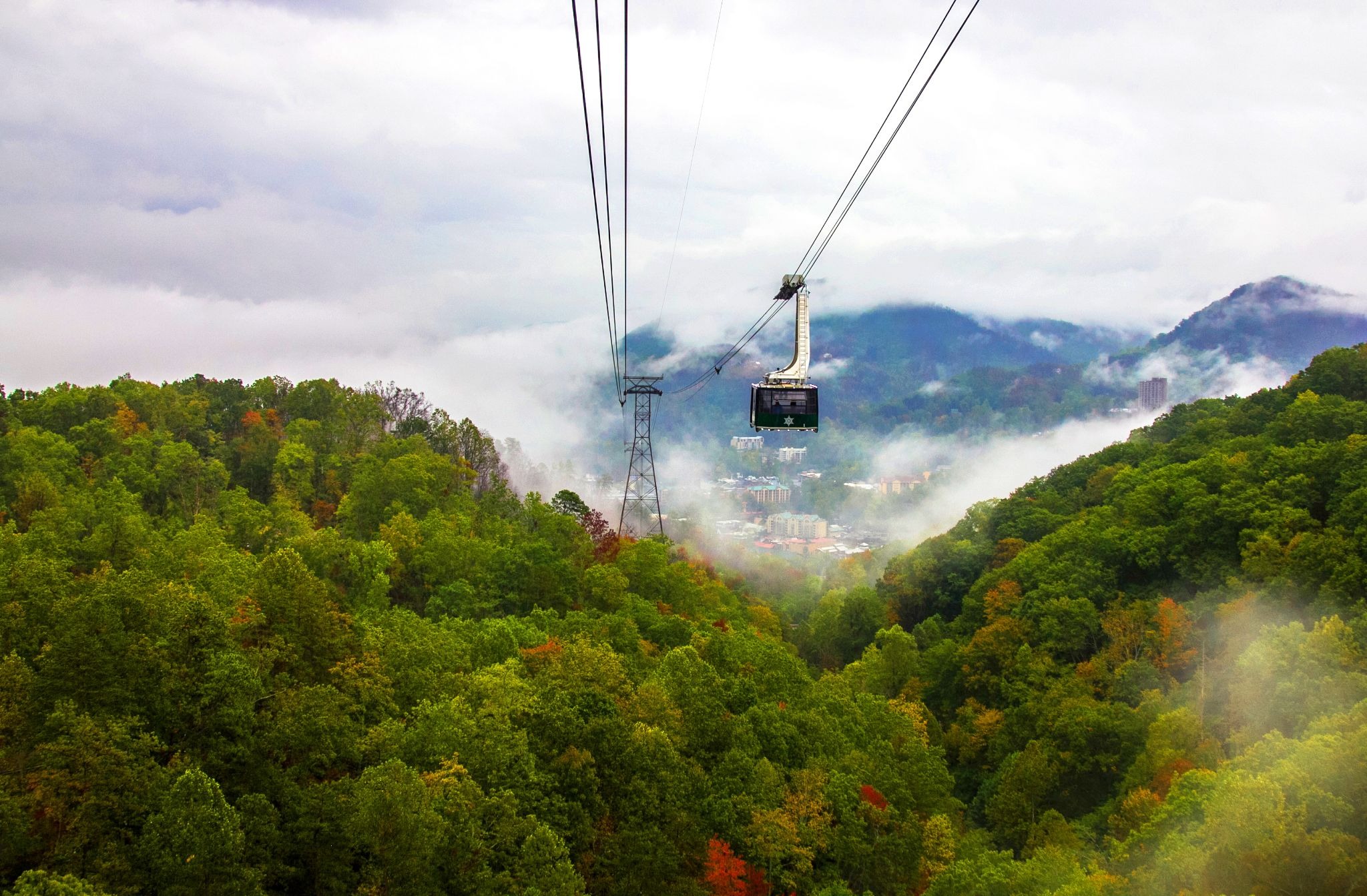
Ober Mountain can be a fun stop if you keep your plans simple and leave enough time to enjoy the views. Gatlinburg SkyPark is another scenic option that does not need to take up your whole day. For a quieter indoor experience, the Titanic Museum Attraction offers thoughtful exhibits and a slower, more reflective atmosphere.
If you want something especially mellow, the Great Smoky Arts & Crafts Community is an excellent choice. You can browse local shops, watch artisans at work, and wander without being tied to a tight timetable. It is the kind of place that rewards curiosity and a slower rhythm. Instead of rushing from stop to stop, you can pay attention to the small details and simply enjoy the experience as it unfolds.
Make Room for Nature
The Smokies feel most restorative when nature becomes part of the experience rather than just the scenery behind it. You do not need a difficult hike or a full-day outing to benefit from the outdoors. Often, the simplest moments are the ones that stay with you.
Take a scenic drive and stop at overlooks where you can linger rather than immediately moving on. Bring a warm drink, step out, and give yourself permission to stay a little longer. If it fits your route and conditions, visit Kuwohi to take in expansive mountain views.
Short walks in the national park can be enough as well. You might choose a peaceful trail, sit beside a stream, or simply pause and listen to the sounds around you. Nature has a way of helping the mind settle when you stop trying to conquer every opportunity and instead allow yourself to just be there. The less pressure you put on your outdoor plans, the more restful and memorable they often become.
Unplug Without Missing Out
One of the easiest ways to make a vacation more relaxing is to avoid filling every hour. The Smoky Mountains offer plenty to do, but a restorative trip needs open space in the schedule. If each day is packed with reservations, alarms, and back-to-back plans, it becomes much harder to truly unwind.
A useful guideline is to plan only one or two main activities each day. That leaves room for a nap, a scenic pull-off, an unplanned coffee stop, or a slow lunch that turns into one of the highlights of the trip. These unscheduled moments often become the memories you keep the longest.
It also helps to step away from your phone now and then. During meals or while taking in a mountain view, set it aside for a while. Take a few photos if you want, then return your attention to the moment itself. You do not need to document everything to remember it. Unplugging even a little helps you notice more of what is happening around you.

MindOwl Founder – My own struggles in life have led me to this path of understanding the human condition. I graduated with a bachelor’s degree in philosophy before completing a master’s degree in psychology at Regent’s University London. I then completed a postgraduate diploma in philosophical counselling before being trained in ACT (Acceptance and commitment therapy).
I’ve spent the last eight years studying the encounter of meditative practices with modern psychology.