
Confidence plays a more important role in education than many people are prepared to believe.
When children encounter early obstacles to learning, including barriers to reading or speech, it not only complicates the particular work they are doing, but also sets a mental precedent that can follow them into other school scenarios.
It is possible to help children retain their confidence in the classroom, even through difficult lesson plans and learning hurdles, but it requires an understanding of what their struggles are and what the path ahead looks like.
In this article, we take a look at the psychology of education.
Overview
Barriers to learning are strongly associated with increased rates of depression, anxiety, stress, and low self-esteem.
Some studies have found that anxiety rates can be as much as 70% higher in students who are behind academically.
To make matters worse, this is a problem that often increases with time. Learning gaps are generally smallest in earlier grades, but they can grow significantly as students progress through school.
Unfortunately, these emotional challenges often manifest negatively in the classroom. Behavioral patterns associated with delayed academic performance frequently include anxiety, depression, and low self-esteem.
The student begins to believe that they are incapable of completing classwork. Because they feel so far behind, they may start to believe that catching up is impossible. This belief can lead to further withdrawal from academic engagement.
Over time, these factors can combine to create experiences of social isolation and classroom disruption.
In some cases, students who are struggling academically may act out as a way of redirecting attention away from their learning difficulties.
Because schoolwork generally builds upon itself, this creates compounding challenges. It is difficult enough to help a student catch up when they are several reading levels behind, but if they are also developing negative behavioral patterns along the way, the task becomes significantly more difficult.
Different Types of Learning Barriers
Understanding that there are different kinds of barriers is essential, as the specific obstacle a student is facing will naturally have a major impact on their learning journey.
For example, students with barriers to speech often struggle academically, even though they may have a physical disability that does not actually affect their ability to learn.
In these situations, working with a speech-language pathologist can help increase confidence and improve classroom engagement.
On the other hand, students with dyslexia face a condition that genuinely makes learning more difficult. Dyslexia is very treatable, but it requires consistent work, effort, and collaboration with the right professionals.
These interventions typically take place over a long period of time. Students receiving support for dyslexia or other learning-related disabilities often need assistance throughout their entire academic career and may require accommodations later in college or the workforce.
Nevertheless, there are many success stories. Progress ultimately depends on committing to the process, connecting with the right instructors or specialists, and seeing the work through to the end.
Circumstantial Barriers to Learning
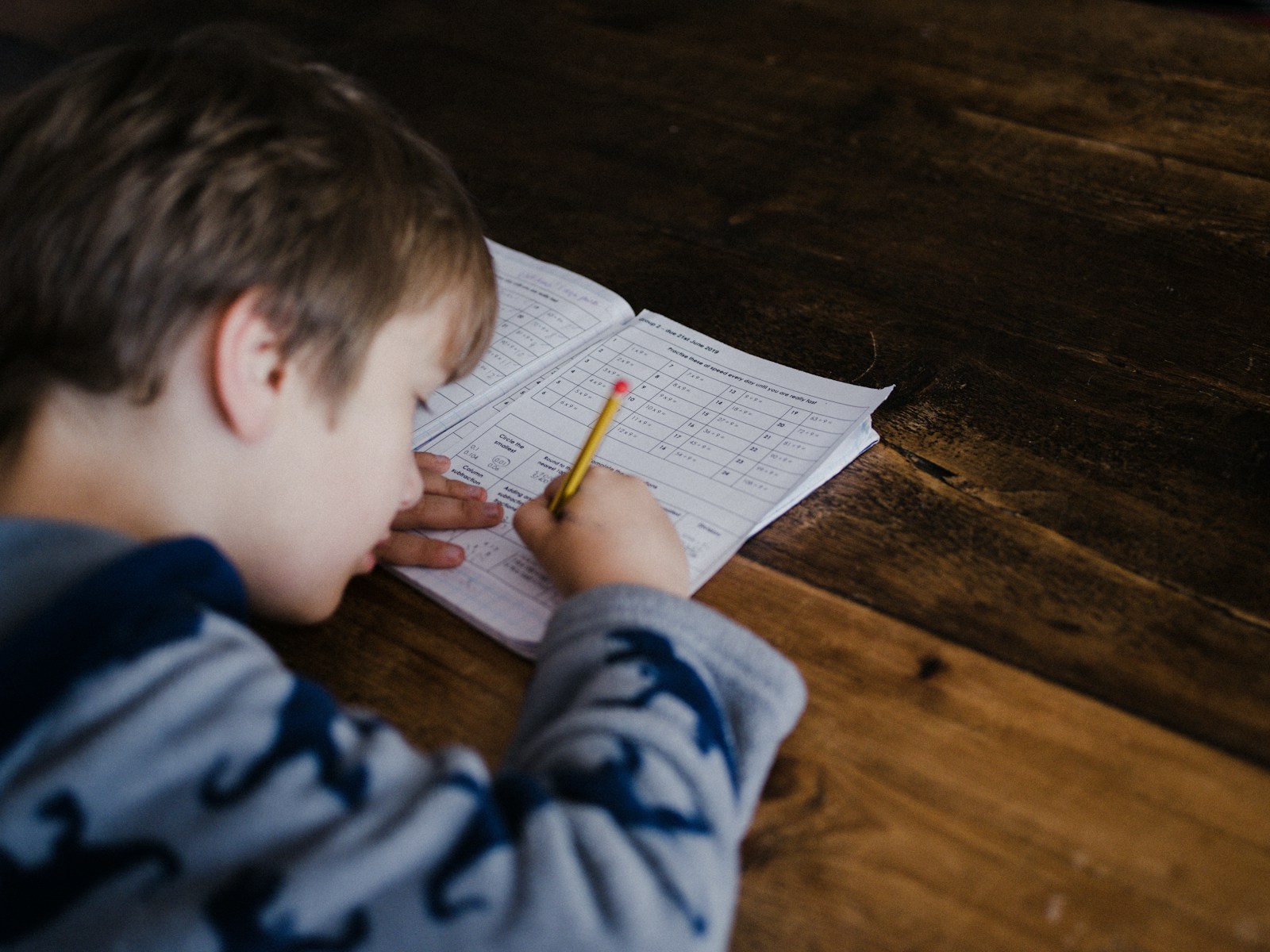
It’s not only dyslexia, ADHD, or barriers to speech that create difficulties in learning. In fact, many of the most impactful barriers to learning are not inherent at all, but circumstantial.
When students aren’t getting to school on time, when parents aren’t engaged in the learning process, or when students don’t read or complete homework at home, these factors often have a bigger impact on learning outcomes than individual ability.
In many cases, when students are struggling for reasons that seem more personal than related to academic achievement or ability, schools are able to respond with targeted interventions. These may include:
- Academic interventions and regular checkpoints
- Wellness checks to ensure the child is in a suitable home environment
- Interventions designed to help students get to school on time
- Free transportation for students who are deemed homeless
- Regular interactions with a school social worker or psychologist
- Accommodations that provide the student with a safe environment to complete homework
For this latter consideration, many schools offer homework clubs where students can complete assignments after school in a safe, comfortable environment.
In these settings, students often have access to the internet, instructional support, and adults who can help them stay on track.
Special Education Services
Special education services are another excellent resource for people who are struggling academically.
They are generally made available to people who have a distinct reason for struggling in school. This could include a specific disability like ADHD or dyslexia, but it may also include a more generalized low academic aptitude.
People receiving special education services do struggle, of course. That is why they are there to begin with.
However, it is often by connecting with these services that they begin to see higher rates of success. People who receive high-quality special education interventions are almost just as likely to graduate from high school as those in the general education population.
It is also worth keeping in mind that special education is highly individualized and will ultimately look different for different people.
Some students are in special education classrooms full-time. Others receive much smaller, more targeted interventions designed to help them prepare, address specific reading challenges, or learn adaptive behaviors that allow them to thrive in a more traditional learning environment.
For example, a student with ADHD may receive special education services not because they have a lower academic aptitude, but because they need to learn certain behaviors that help them function successfully in a classroom.
Once they become proficient at implementing these strategies, instructor-led interventions may decrease to more occasional check-ins.
Conclusion
Barriers to learning can, and certainly will, shape a person’s academic experience. That said, they do not need to be life-defining. There are many people with dyslexia, ADHD, and other barriers to learning who live very productive lives and even find real success in school. Connecting with the right services is often the first, and most important, step.
For many students, the difference between struggling and thriving is also a matter of personal commitment.
If they are able to embrace the resources put in front of them, it can go a long way toward shaping their long-term outcomes. Throughout all of this, educators make a world of difference.

MindOwl Founder – My own struggles in life have led me to this path of understanding the human condition. I graduated with a bachelor’s degree in philosophy before completing a master’s degree in psychology at Regent’s University London. I then completed a postgraduate diploma in philosophical counselling before being trained in ACT (Acceptance and commitment therapy).
I’ve spent the last eight years studying the encounter of meditative practices with modern psychology.