
Grip strength often receives little attention in mainstream fitness conversations, overshadowed by more visible metrics like bench press numbers or sprint times. Yet this seemingly modest measure of hand and forearm strength serves as a remarkably accurate predictor of overall health, athletic performance, and even longevity. From elite athletes seeking competitive advantages to older adults maintaining independence, developing robust grip strength delivers benefits that extend far beyond crushing handshakes.
The Science Behind Grip Strength
Research consistently demonstrates correlations between grip strength and broader health outcomes. Studies have linked stronger grip to reduced mortality risk, better cardiovascular health, and maintained cognitive function in ageing populations. Whilst correlation doesn’t prove causation, these relationships suggest grip strength serves as a valuable indicator of overall physical capability.
From a functional perspective, nearly every physical activity involves the hands. Whether you’re lifting weights, carrying groceries, opening jars, or playing sports, grip strength either enables or limits performance. Weak grip creates a bottleneck—you might possess the back strength to perform pull-ups, but inadequate grip prevents you from demonstrating that capability.
Benefits Across Different Populations
Athletes and Strength Enthusiasts
For those pursuing strength training seriously, grip often becomes the limiting factor in exercises like deadlifts, rows, and farmer’s carries. Developing grip strength allows you to lift heavier loads, increasing the training stimulus for larger muscle groups. This creates a virtuous cycle where improved grip enables greater overall strength development.
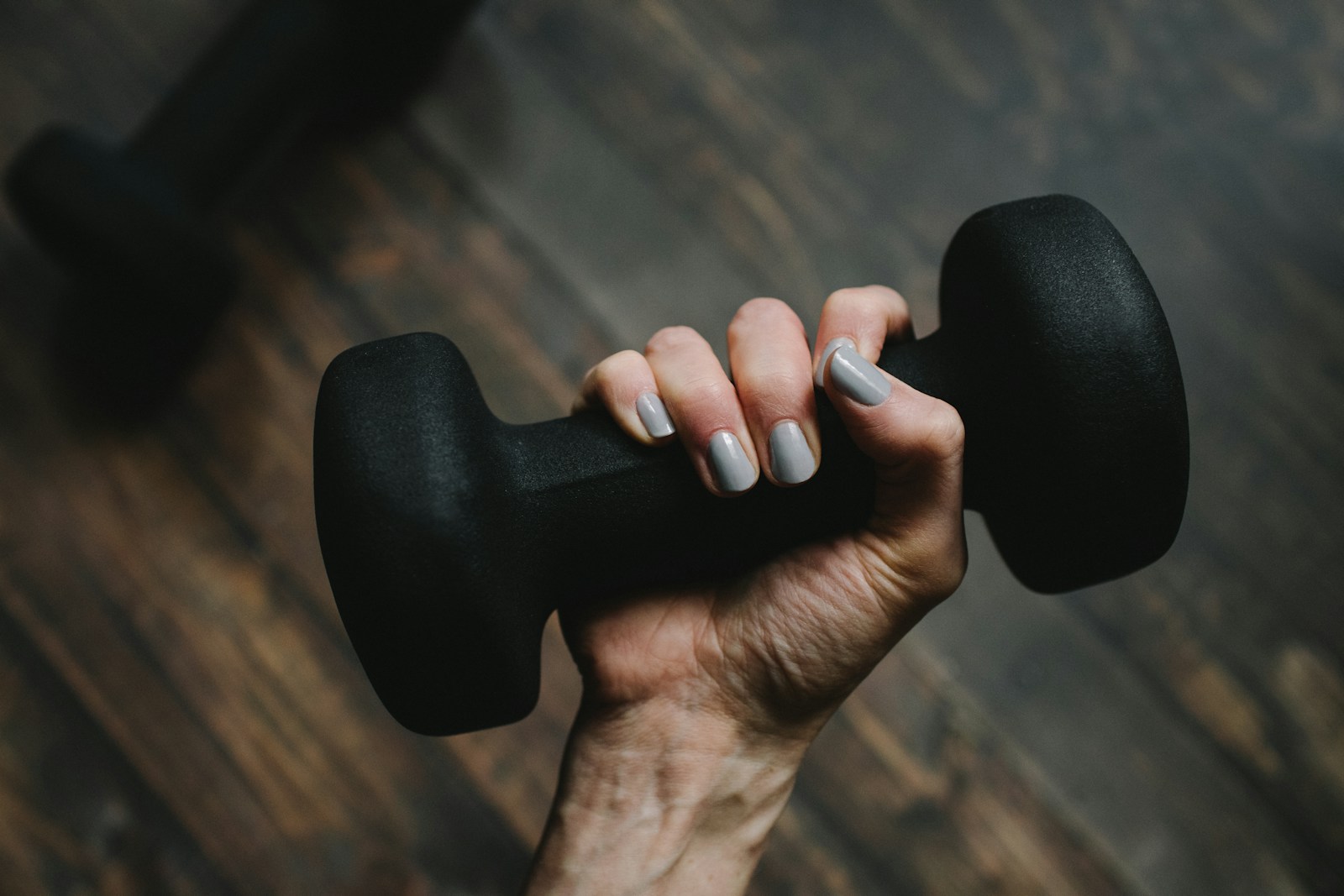
Combat sports athletes, climbers, and tennis players depend particularly heavily on grip strength for sport-specific performance. A hand grip strengthener becomes an essential training tool, allowing targeted development that translates directly to competitive advantages.
Office Workers and Computer Users
Prolonged keyboard and mouse use can lead to weakness and imbalances in the hands and forearms. Regular grip training counteracts these effects, potentially reducing risk of repetitive strain injuries whilst improving overall hand functionality. The stronger and more resilient your grip, the better equipped you are to handle extended computer work without discomfort.
Older Adults
Maintaining grip strength becomes increasingly important with age. It correlates with preserved independence—the ability to open containers, carry shopping, and perform daily tasks without assistance. Resistance training, including grip-specific exercises, helps maintain this crucial capability, supporting quality of life and autonomy.
Effective Approaches to Grip Development
Progressive Resistance Training
Like any strength quality, grip improves through progressive overload—gradually increasing the challenge over time. This might involve using adjustable resistance tools that allow incremental increases, or progressing through increasingly difficult exercises.
Training frequency matters less than consistency. Most people benefit from 2-3 grip-focused sessions weekly, allowing adequate recovery between efforts. Sessions needn’t be lengthy—even 10-15 minutes of focused work produces results when performed consistently.
Variety in Training Stimulus
Grip strength isn’t monolithic—it encompasses crushing strength (squeezing), pinch strength (thumb opposition), and support strength (holding). Comprehensive development addresses all these components through varied exercises and equipment.
Static holds develop support strength and endurance. Crushing exercises build raw squeezing power. Pinch training targets thumb strength often neglected in conventional training. Balancing these elements creates well-rounded grip capability.
Integration with Broader Training
Whilst dedicated grip work has value, don’t overlook opportunities to develop grip through compound exercises. Deadlifts, pull-ups, and farmer’s carries all challenge grip substantially. Occasionally training these movements without straps forces grip adaptation whilst building full-body strength simultaneously.
Choosing the Right Tools
The market offers numerous grip training implements, each with distinct advantages. Spring-loaded grippers provide adjustable resistance and portability, making them ideal for progressive training programmes. They allow precise tracking of improvement as you advance through resistance levels.
Grip balls and putty offer different stimulus, valuable for rehabilitation, stress relief, or maintaining grip during travel. They’re less suited for building maximum strength but excel for endurance and general conditioning.
Thick bar attachments transform standard exercises into grip challenges. By increasing bar diameter, they force greater activation of hand and forearm muscles during conventional lifts.
Pinch blocks specifically target thumb strength, addressing an often-neglected component of grip capability. These simple tools effectively complement other grip training methods.
Common Mistakes to Avoid
Neglecting Balanced Development
Many people focus exclusively on crushing strength whilst ignoring pinch grip and wrist stability. This imbalance can limit functional capability and potentially increase injury risk. Comprehensive programmes address multiple grip strength components.
Excessive Volume
The hands and forearms contain numerous small muscles and connective tissues that require adequate recovery. Training grip to failure daily often leads to overuse issues rather than strength gains. Quality over quantity produces better results.
Ignoring Technique
Proper form matters even in grip training. Controlling the eccentric (opening) phase, maintaining full range of motion, and avoiding compensatory movements maximises effectiveness whilst reducing injury risk.
Impatience with Progress
Grip strength develops gradually, particularly for those starting from lower baselines. Expecting rapid gains leads to frustration or excessive training volume. Consistent, patient effort produces lasting results.
Frequently Asked Questions
How long does it take to see improvements in grip strength?
Most people notice initial gains within 3-4 weeks of consistent training, though these early improvements often reflect neuromuscular adaptation rather than muscle growth. Substantial strength increases typically require 8-12 weeks of progressive training. Long-term development continues for months or years, particularly for those pursuing advanced strength levels.
Can grip training help with conditions like arthritis?
Appropriate grip exercises may benefit certain arthritic conditions by maintaining joint mobility and strengthening supporting muscles. However, anyone with existing joint issues should consult healthcare professionals before beginning grip training. Gentle, controlled movements with moderate resistance generally prove safer than maximum effort training.
What’s a good starting resistance level for beginners?
Beginners should select resistance they can control for 8-12 repetitions with proper form, feeling challenged by the final repetitions without straining excessively. This typically translates to 20-40kg resistance for men and 15-25kg for women, though individual variation is considerable. Starting conservatively and progressing gradually prevents overuse injuries.
Should I train grip on the same days as other workouts?
This depends on your broader programme. If your regular training includes substantial grip demands (deadlifts, pull-ups), consider dedicating separate sessions to focused grip work to avoid overtraining. If your routine doesn’t heavily tax grip, adding brief grip training to existing sessions works effectively.
Can I overtrain my grip?
Absolutely. The forearms and hands contain numerous small structures vulnerable to overuse. Symptoms include persistent soreness, reduced grip strength, or sharp pains during training. If you experience these, reduce training frequency and volume, allowing complete recovery before resuming. Prevention through appropriate programming beats rehabilitation from overuse injuries.
Conclusion
Grip strength represents far more than a party trick or niche training concern. It serves as a fundamental component of physical capability, influencing everything from athletic performance to daily functionality and long-term health outcomes. The relatively modest investment required to develop impressive grip strength—basic equipment and consistent training—yields disproportionate returns across numerous aspects of life.
Whether you’re pursuing competitive strength goals, maintaining independence through ageing, or simply seeking comprehensive physical development, grip training deserves a place in your programme. The hands connect you to the physical world—strengthening this connection enhances your capability to navigate that world effectively, today and for decades to come.

MindOwl Founder – My own struggles in life have led me to this path of understanding the human condition. I graduated with a bachelor’s degree in philosophy before completing a master’s degree in psychology at Regent’s University London. I then completed a postgraduate diploma in philosophical counselling before being trained in ACT (Acceptance and commitment therapy).
I’ve spent the last eight years studying the encounter of meditative practices with modern psychology.